
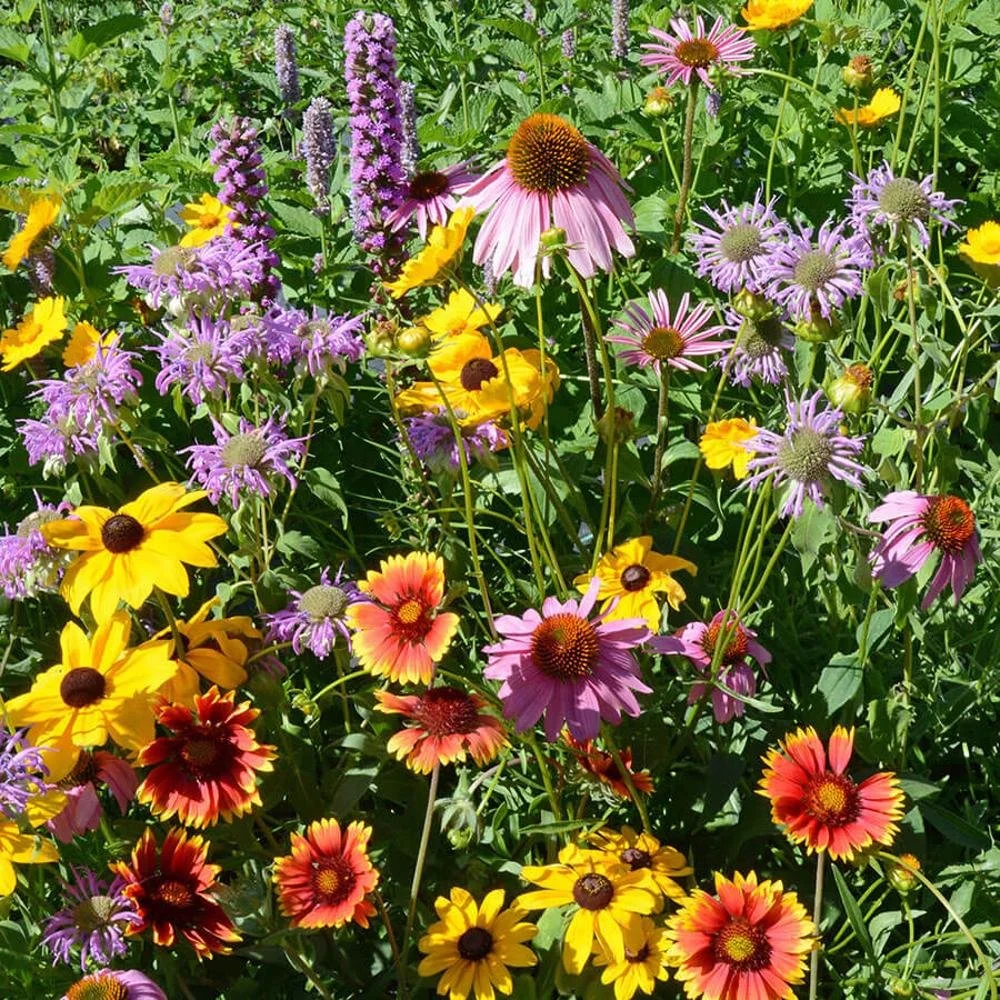
How to Grow your Native Plants from Seed
Overview:
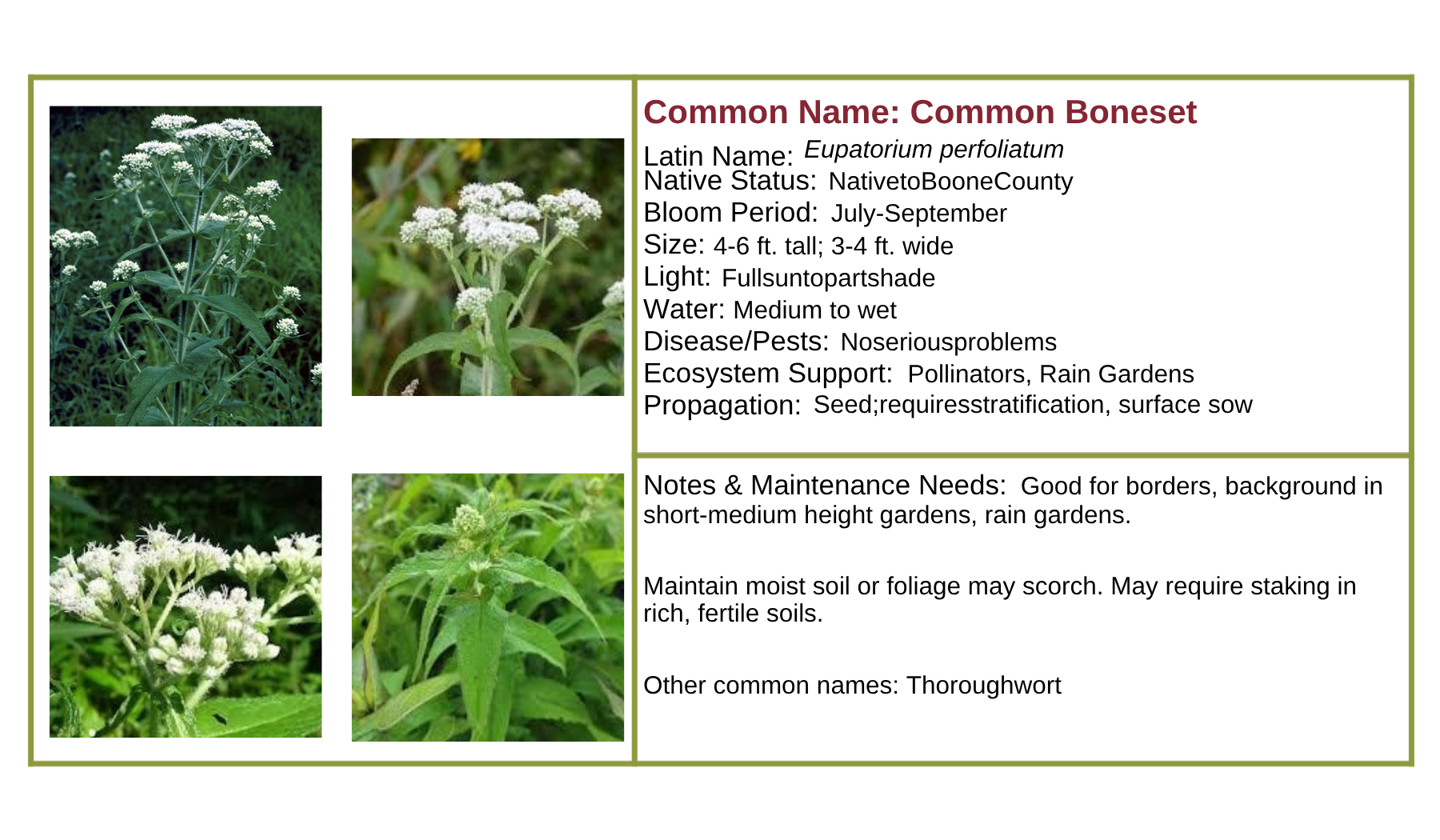
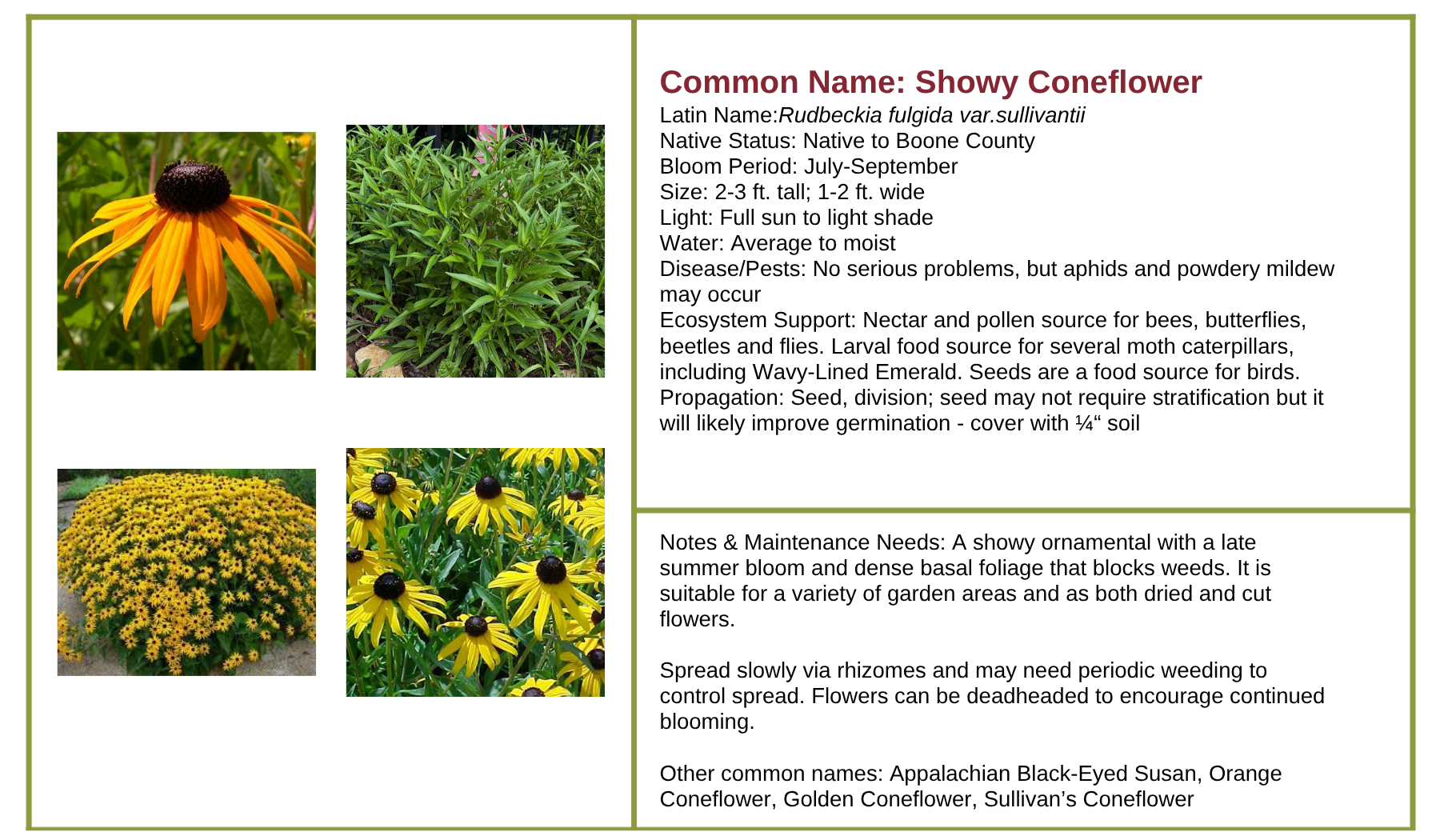
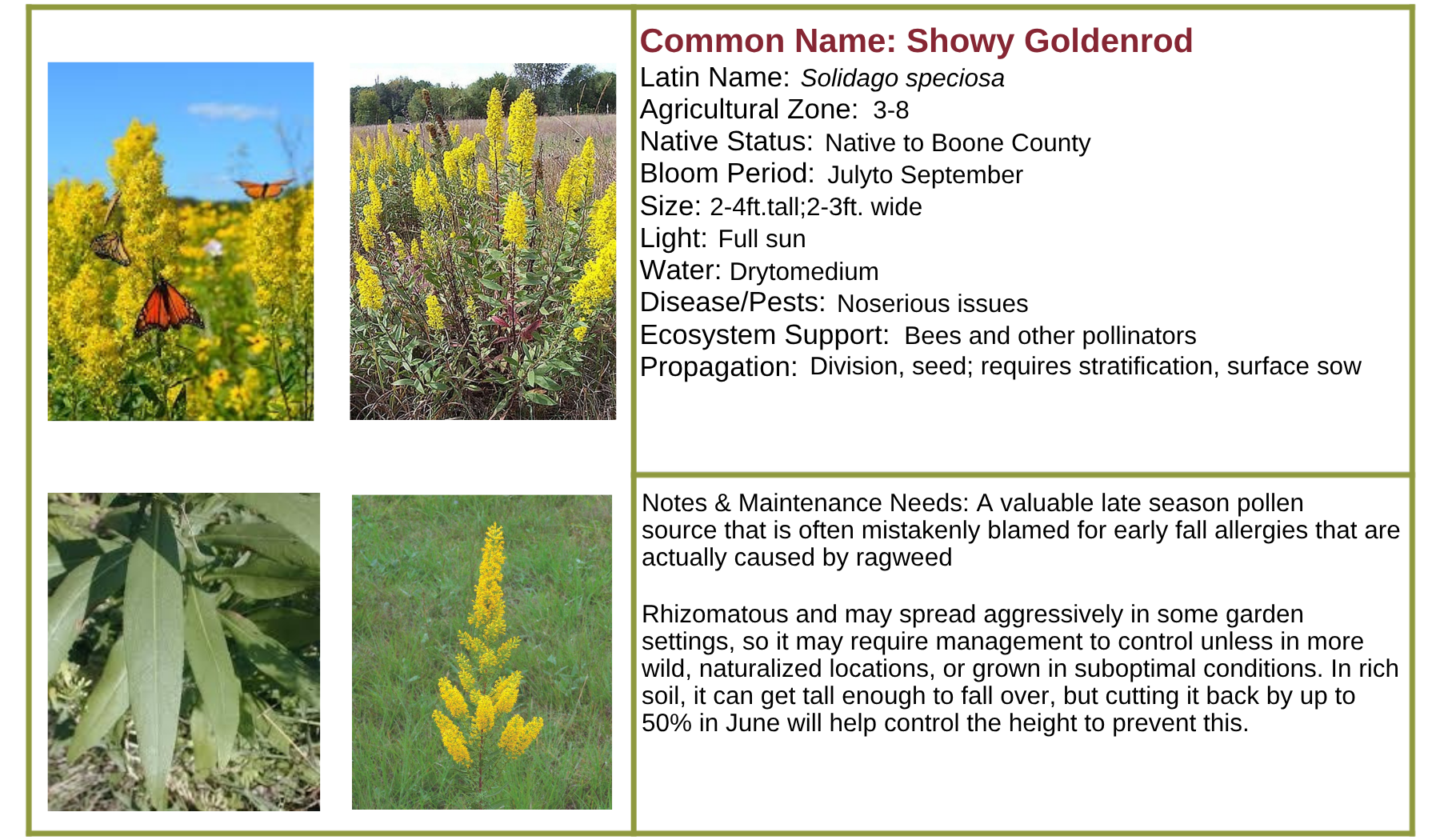
Many Missouri wildflowers require a period of cold and moist stratification before they can germinate. Stratification is the process that happens when seeds undergo cycles of freezing and thawing like they would naturally over the winter. This process delays germination until optimal growing conditions in the spring.
We recommend planting these seeds outside in the early winter so they will stratify naturally with the changing of the weather. December-January is a great time to plant. If you miss this window, you can also stratify seeds in your fridge.
While it is possible to sow these seeds directly in the ground in the desired location, this risks loss due to wind or rain carrying the seeds away, or animals eating them before they have a chance to sprout. If you plan to do this, sow down extra seed to increase your chances of success. Alternatively, we recommend sowing them in a pot or tray that you can cover with something like hardware cloth or chicken wire to protect them.
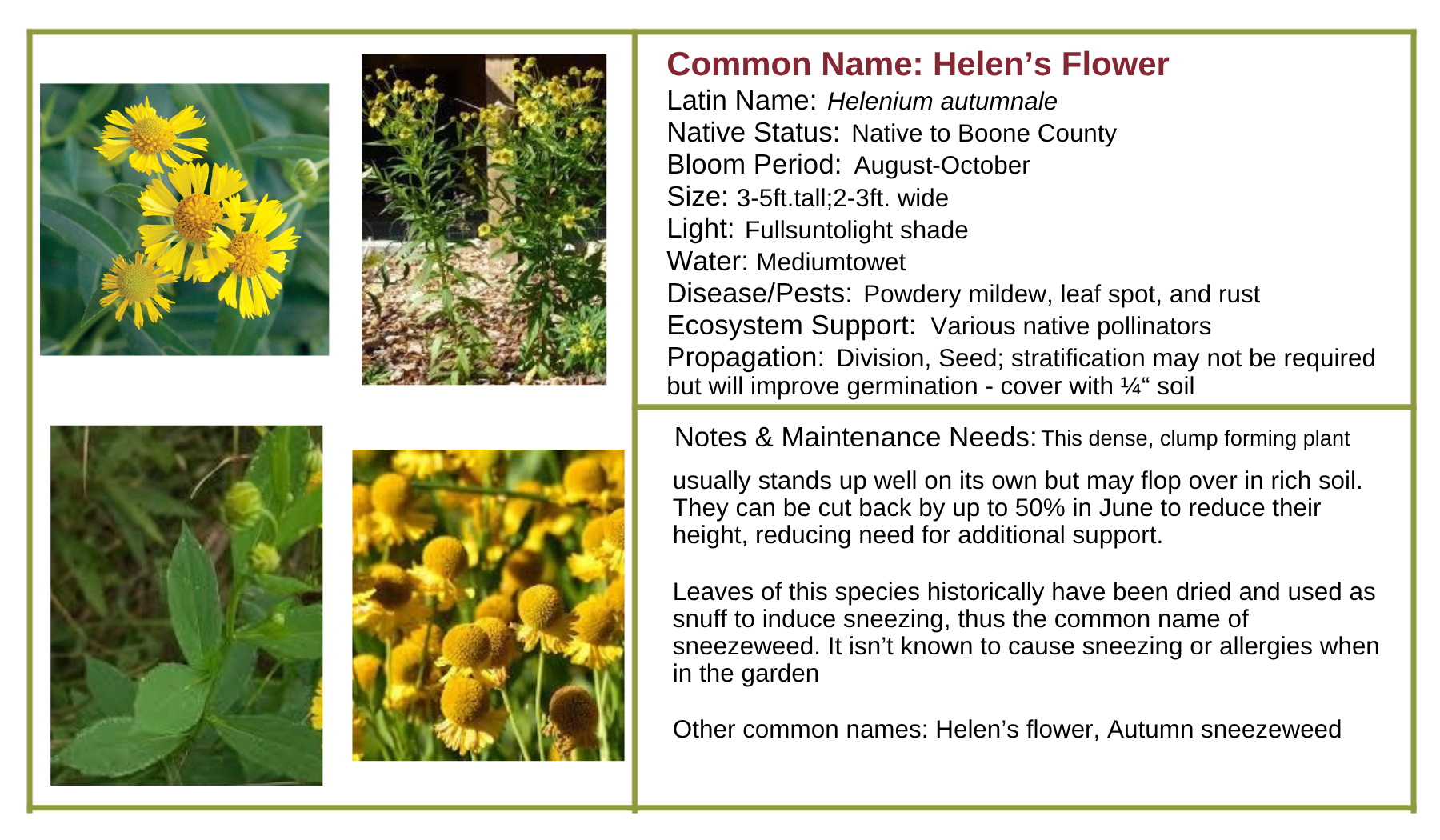
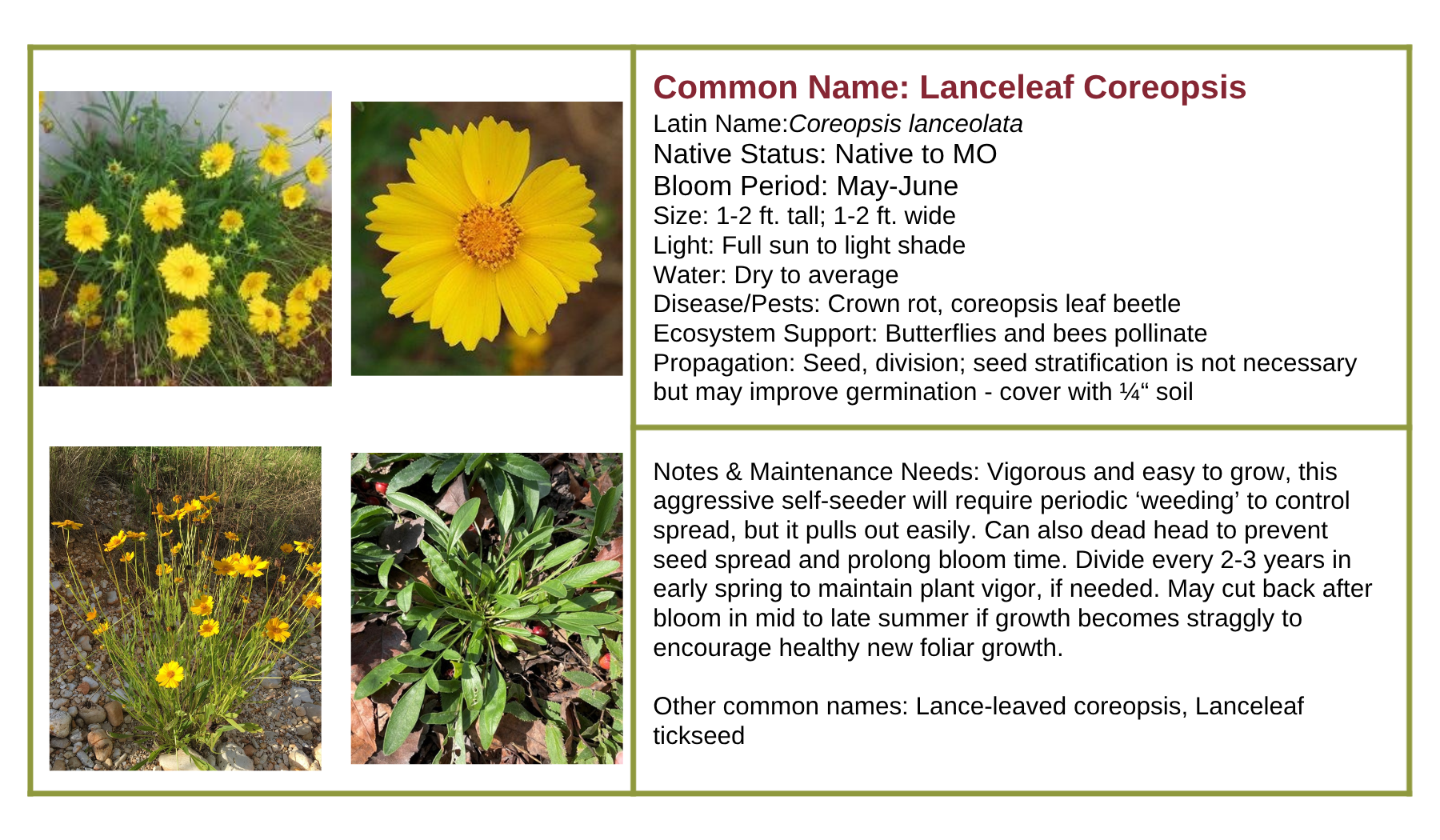
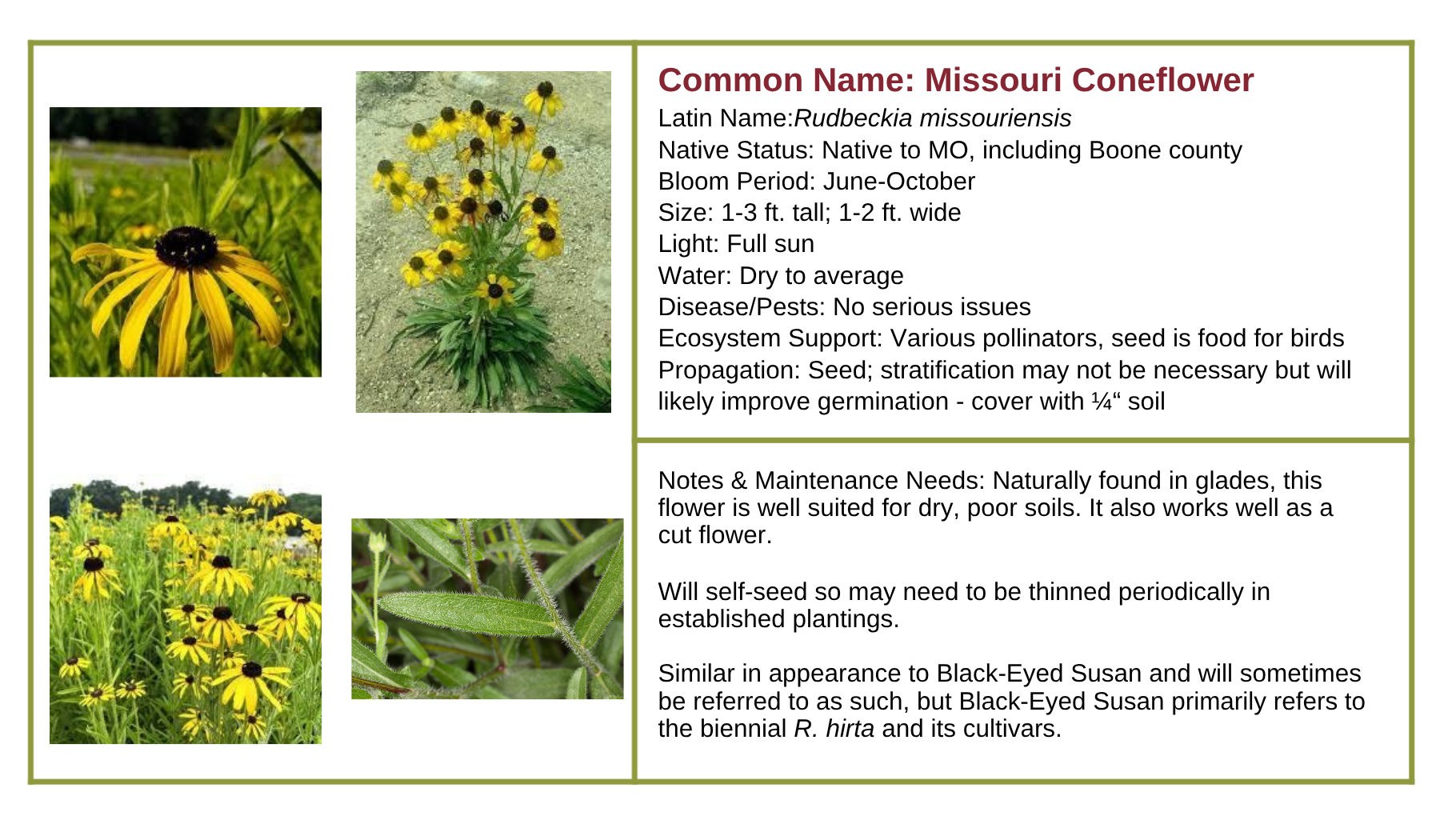
You can follow the directions below for stratifying each of these species as well as most other native Missouri flowers.
We hope these plants will make a beautiful addition to your landscape as they support the ecosystem and provide food and habitat for insects, birds and other animals!
Steps:
1. In early winter (December is ideal) scatter seeds in a shallow tray or pot of bare soil and place outside in area that receives sunlight. You can also sow the seeds in your garden bed or any kind of container that can drain.
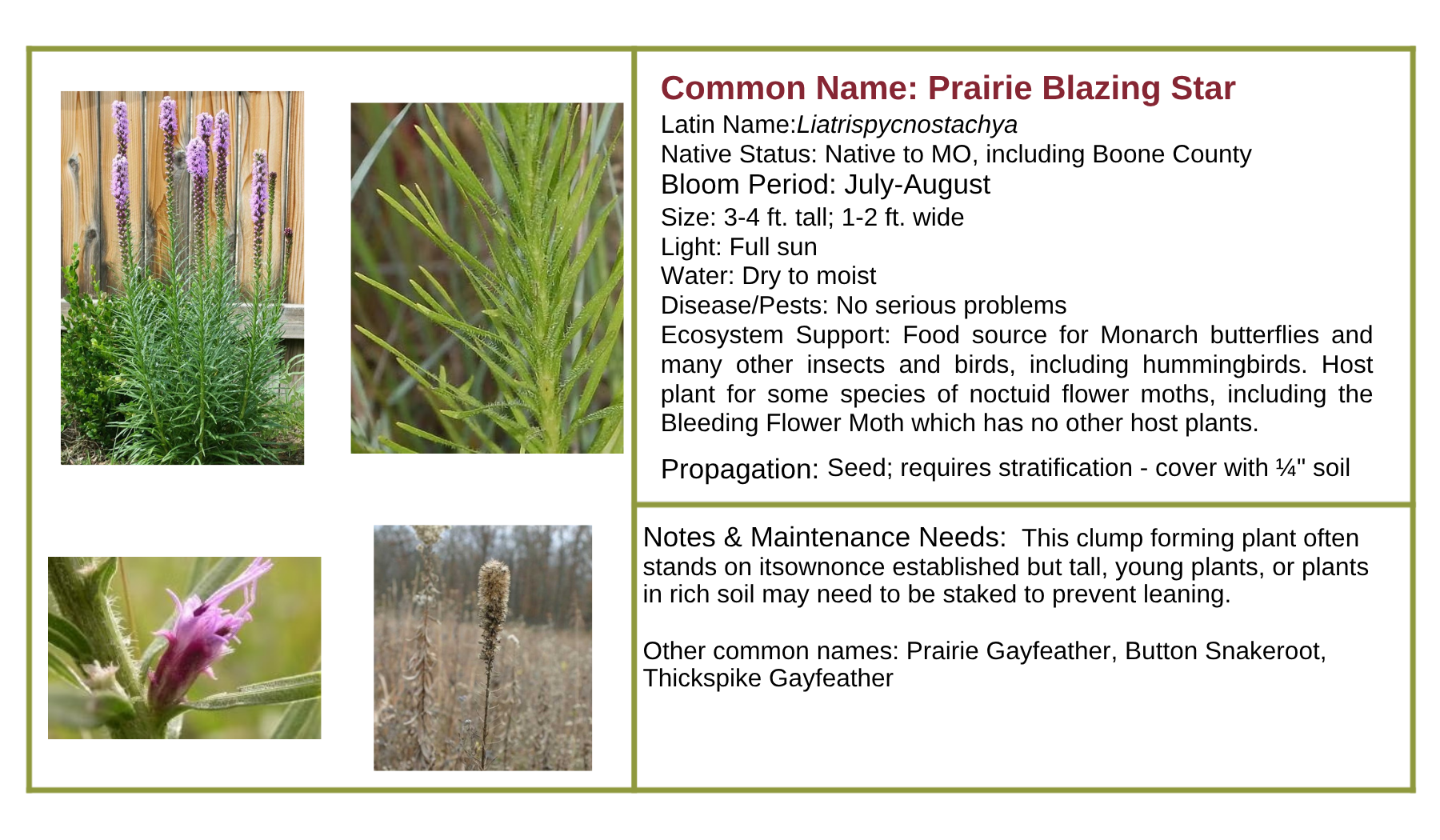
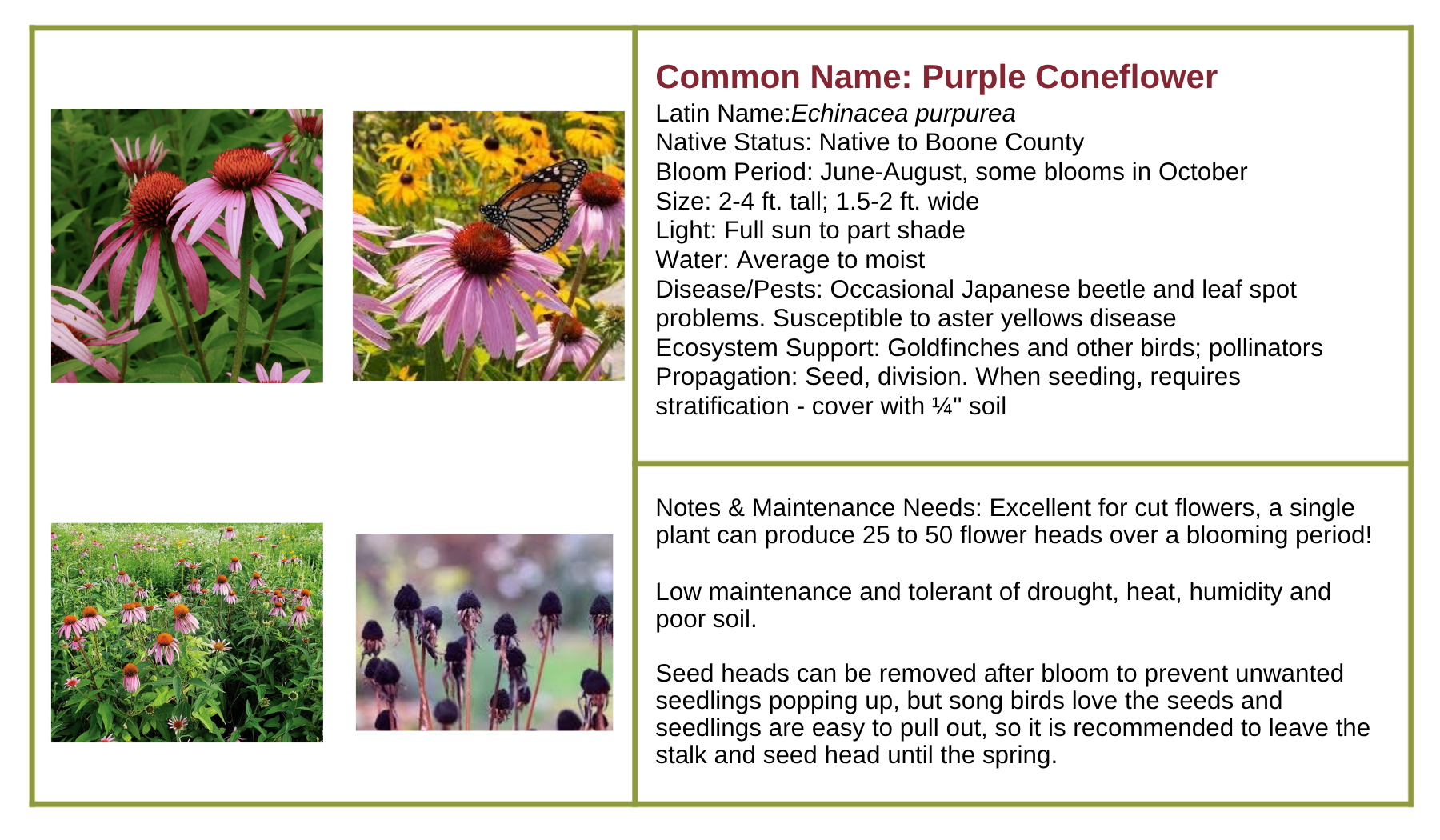
IF you have Purple Coneflower or Prairie Blazing Star, cover the seeds lightly with ¼" of soil
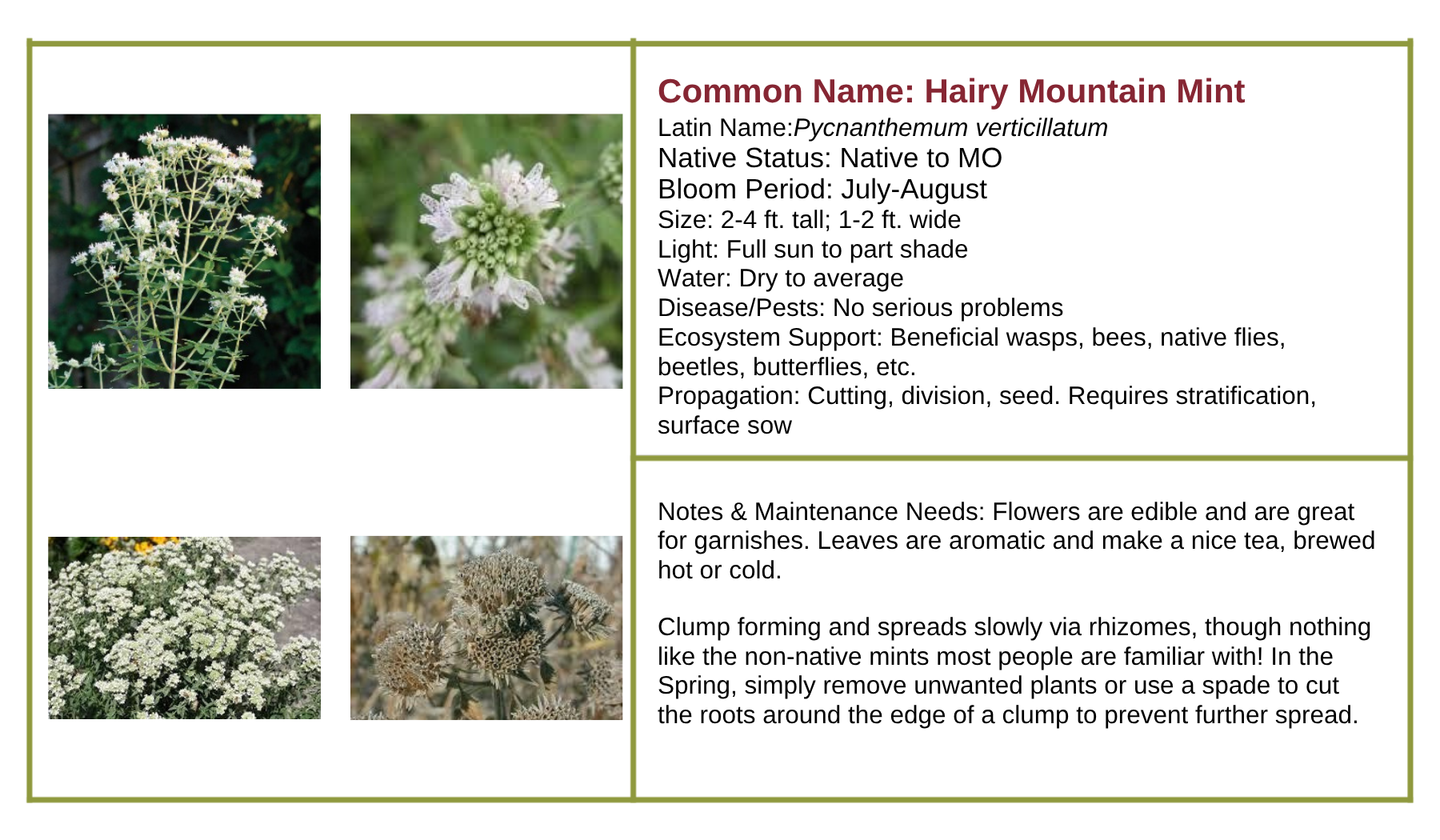
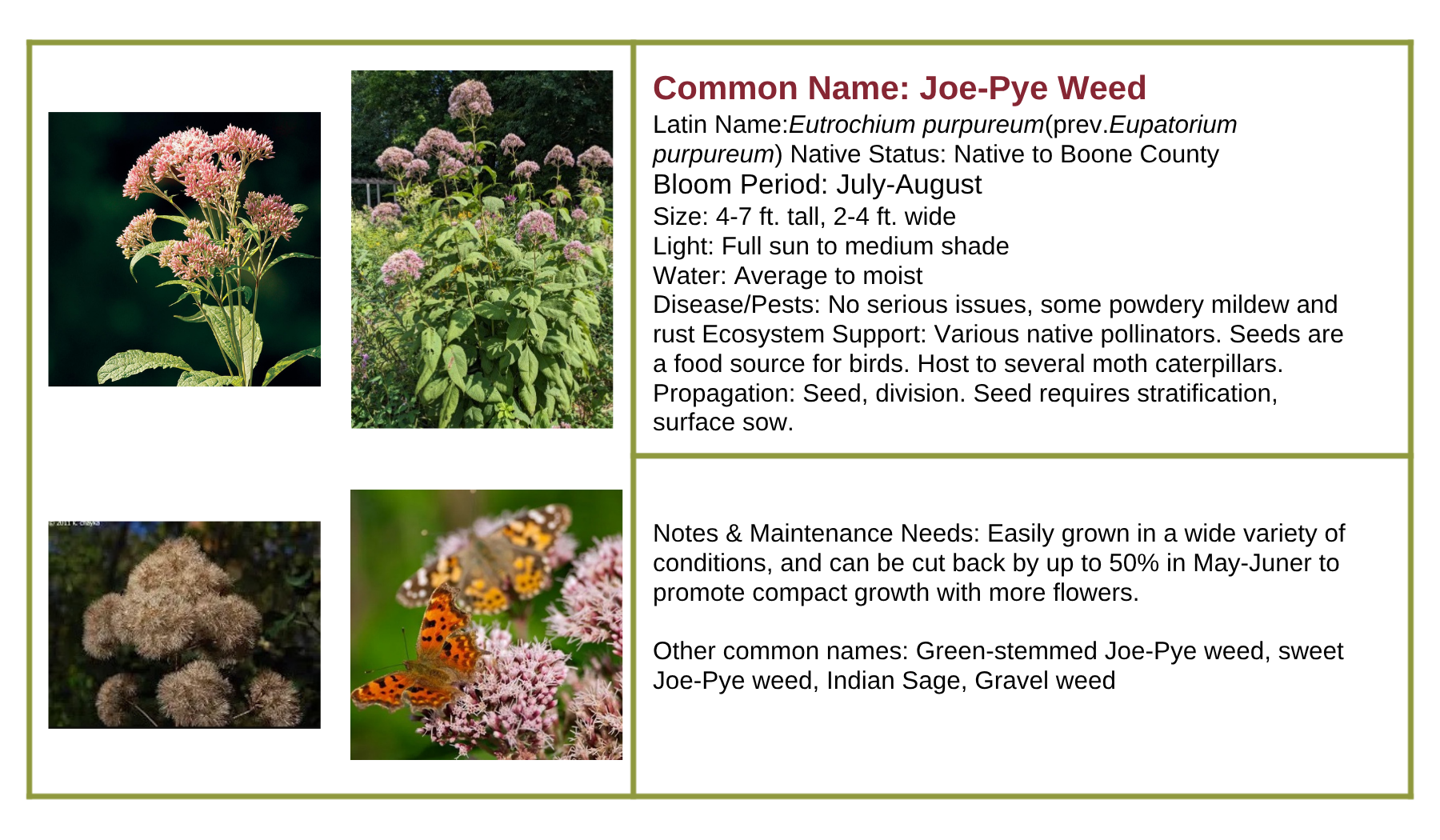
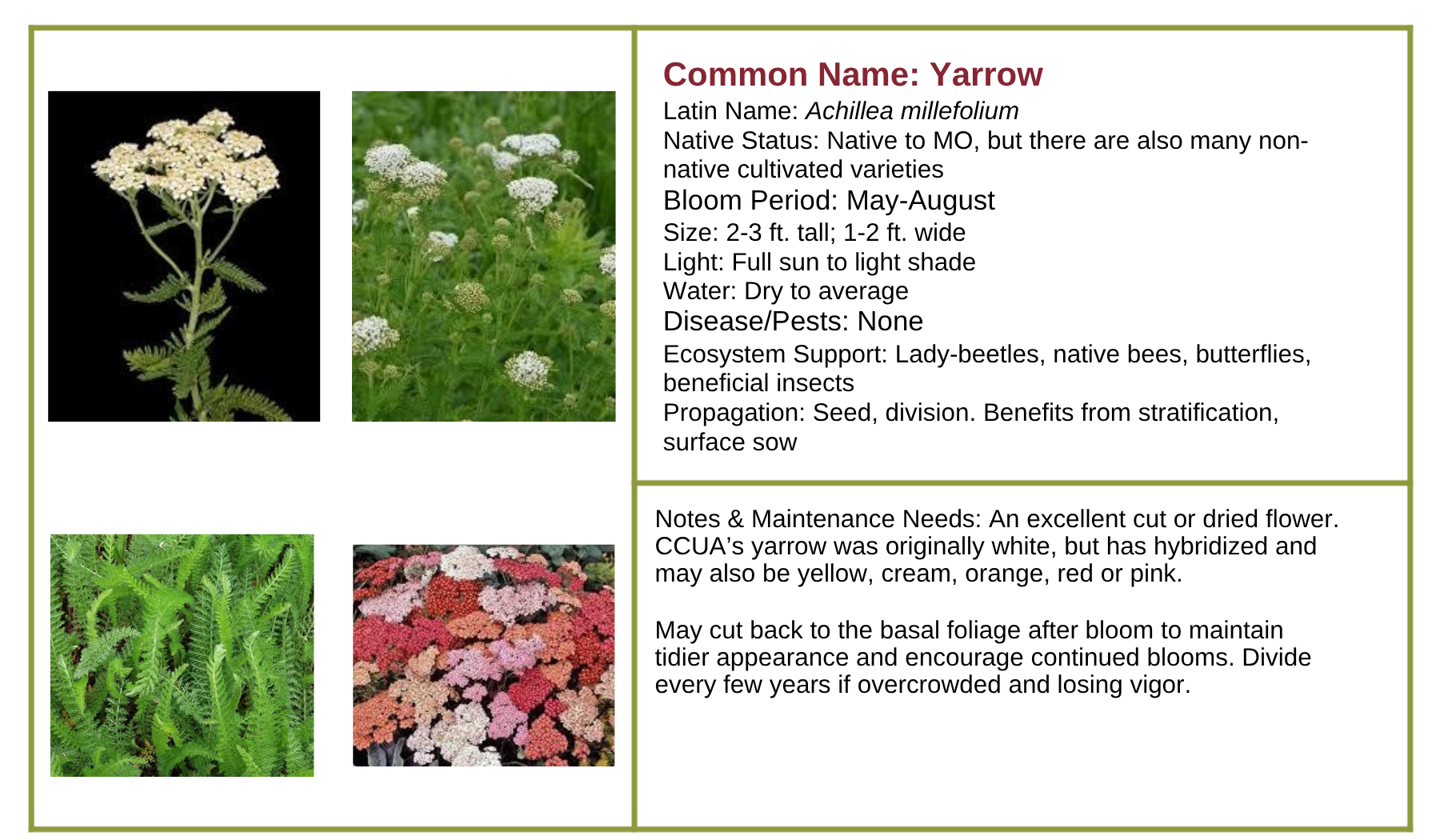
IF you have Joe-Pye Weed, Bee Balm, Yarrow, or Hairy Mountain Mint, scatter seeds on the surface and do cover with any soil
2. Cover seeds with a wire mesh like hardware cloth or chicken wire to keep animals from eating them.
3. Keep soil from drying out over the course of the winter
Usually Missouri’s winter rain and snow are enough, but if we have a dry period and you notice the soil has dried out, lightly water to maintain moist, but not wet soil
4. Once plants have germinated in the spring, wait until they have grown a couple of inches, then pot them up into a small container.
You may need to repeat this step with a larger pot depending on how fast your plants grow and how long you keep them in pots before planting them in the garden.
You can use topsoil mixed with some compost, potting mix or soil from your garden.
5. Water the plants frequently throughout the summer to encourage growth.
Depending on the soil in your pots, you may need to water a few times a week, or even every day during the hottest part of summer. Placing them in a partly shaded area can help prevent them from drying out too quickly
6. Plant your native plants out into your garden in the fall or following spring.
Planting in the fall reduces the need to water over the summer and can help establish the plants more easily.
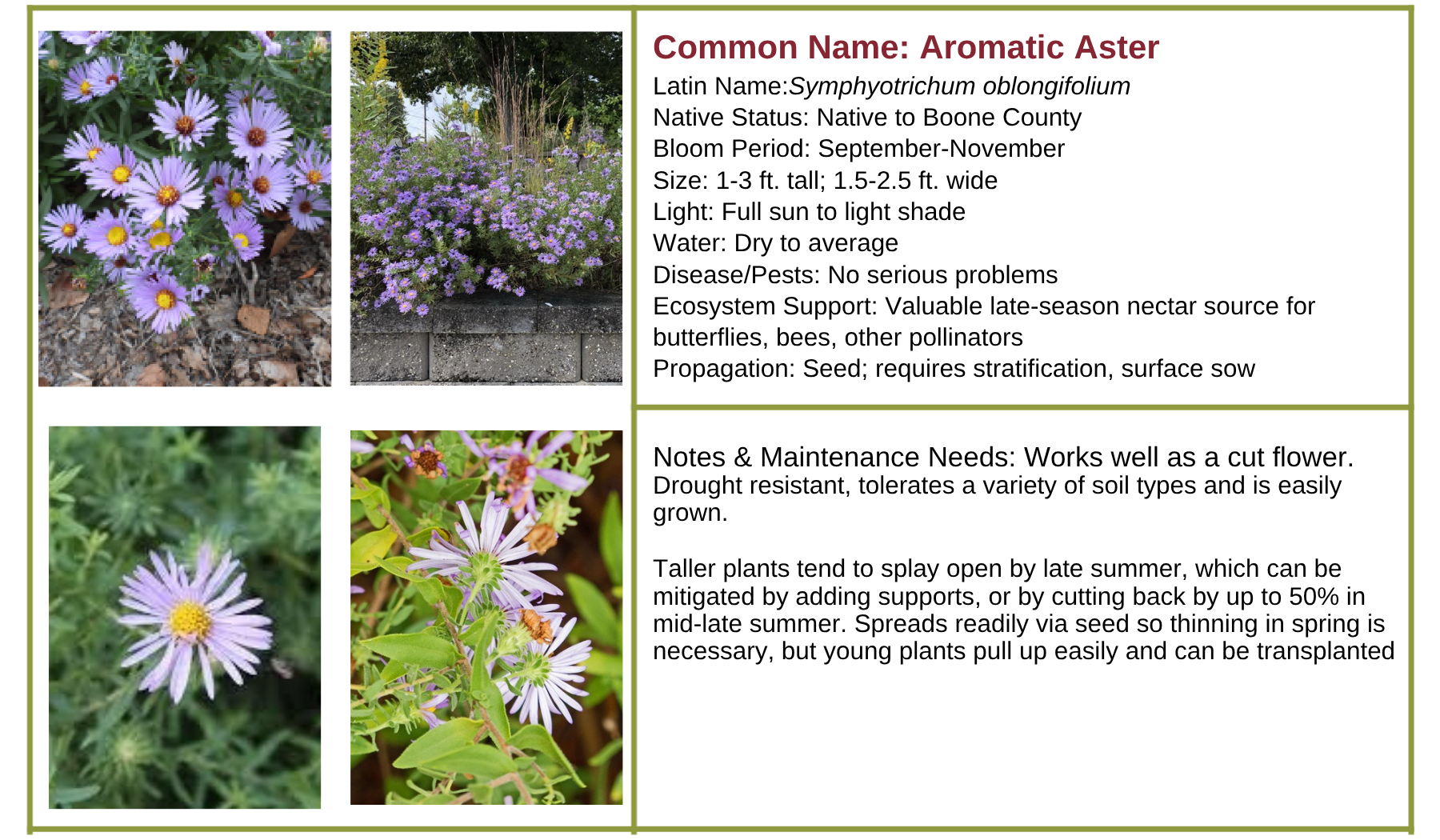
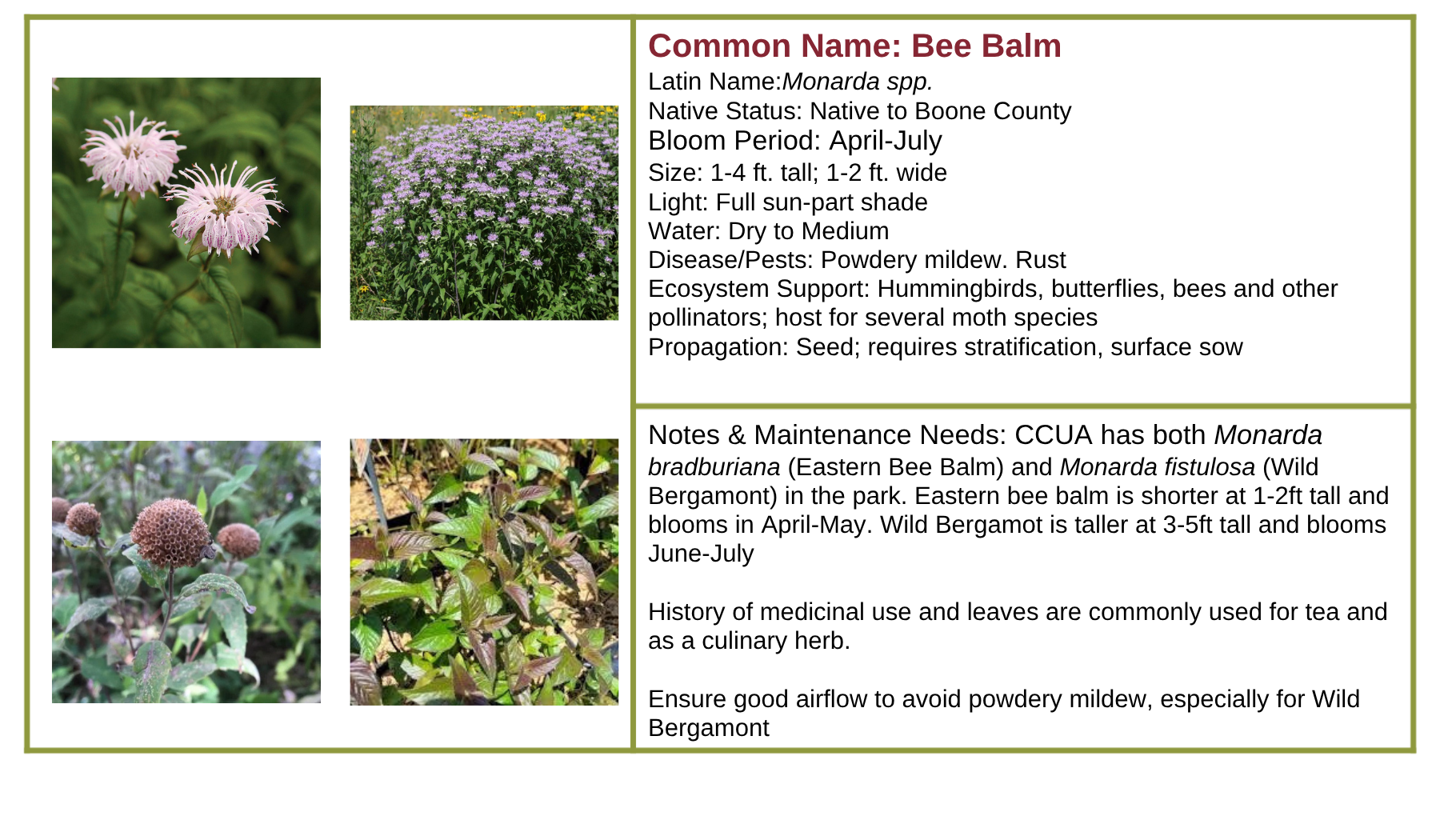
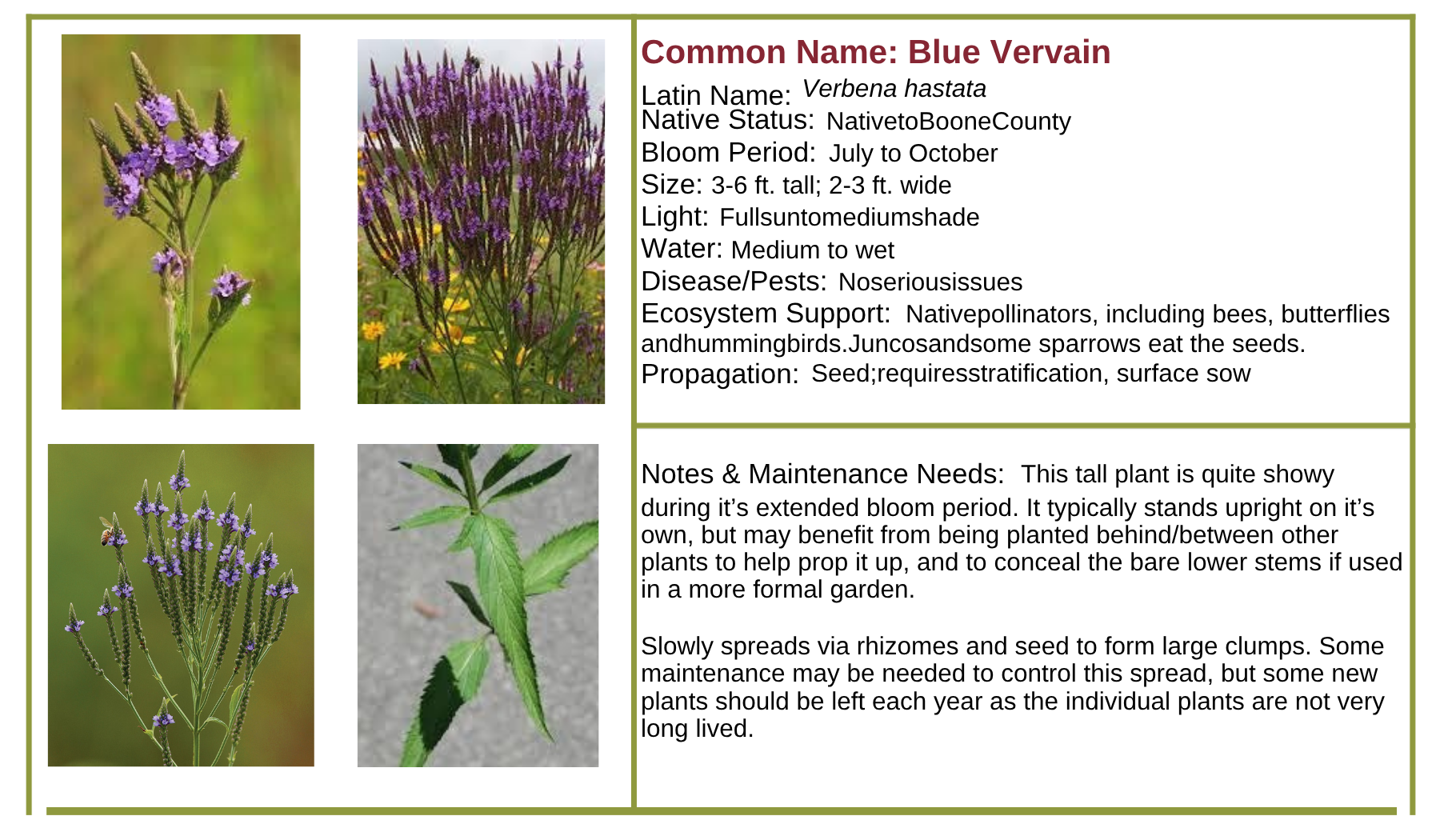
Want to collect seeds from your own native flowers and start them yourself? Here are some suggestions:
Keep an eye on what's blooming to know what seeds will soon be available
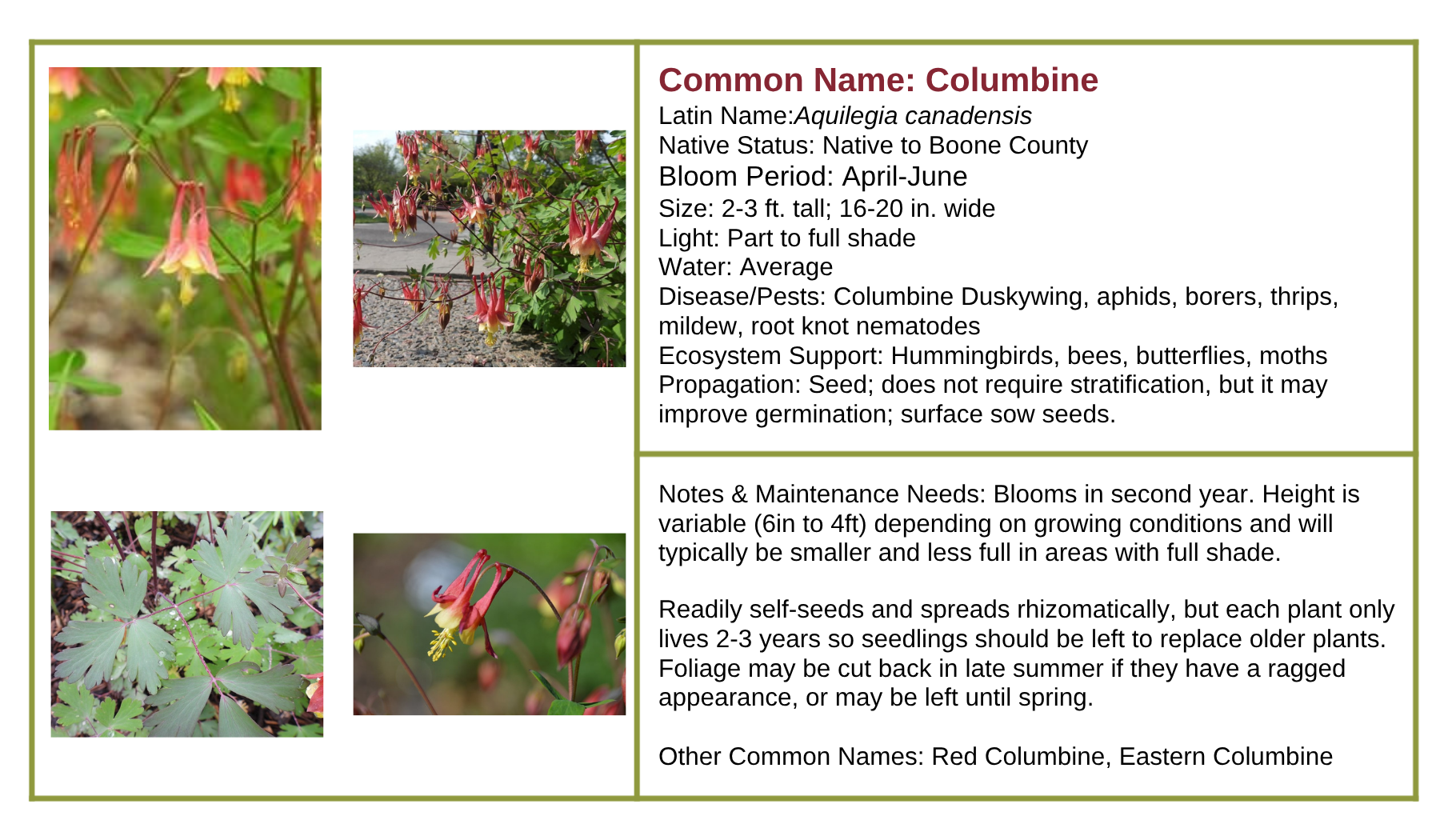
Don't harvest seeds too early, while green. Some seed heads like purple prairie clover will crumble apart when ready. Others like columbine will rattle when ready.
Check with specific parks, nature areas and national forests to see if seed collection is allowed or ask for permission from landowners.
Take no more than 10-30% of seeds in a population to leave enough for the plants to self-seed and for animals to eat throughout winter.
Populations nearest to your location are best because those plants are adapted to the local conditions. Collecting local seed also helps maintain genetic diversity across a species’ range.
Collect dry seeds and store them in a paper bag to absorb any excess moisture.
Look up germination requirements for every plant you collect. Many require stratification, but the ideal conditions vary by species. In general MO wildflowers can be seeded in trays of shallow soil in the late fall.
Here is some good information on germination and stratification requirements form the Tall Grass Prairie Center and Missouri Botanical Garden. Missouri Wildflowers Nursery is an excellent source of native seeds and plants.
“Seed” ya later!